-
Residential services
Residential services
Most popular package$102/moPest + termite planOur specialized termite treatments help minimize their presence, while our core management services keeps up to 20 other pests in check.Find your plan - Service areas
- About
- Special offers
- Contact




Call now for a free quote
(877) 372-9696
(877) 372-9696
Call now
(877) 372-9696
(877) 372-9696
or request your free quote
"*" indicates required fields
*SMS opt-in details listed below
**Initial fees apply
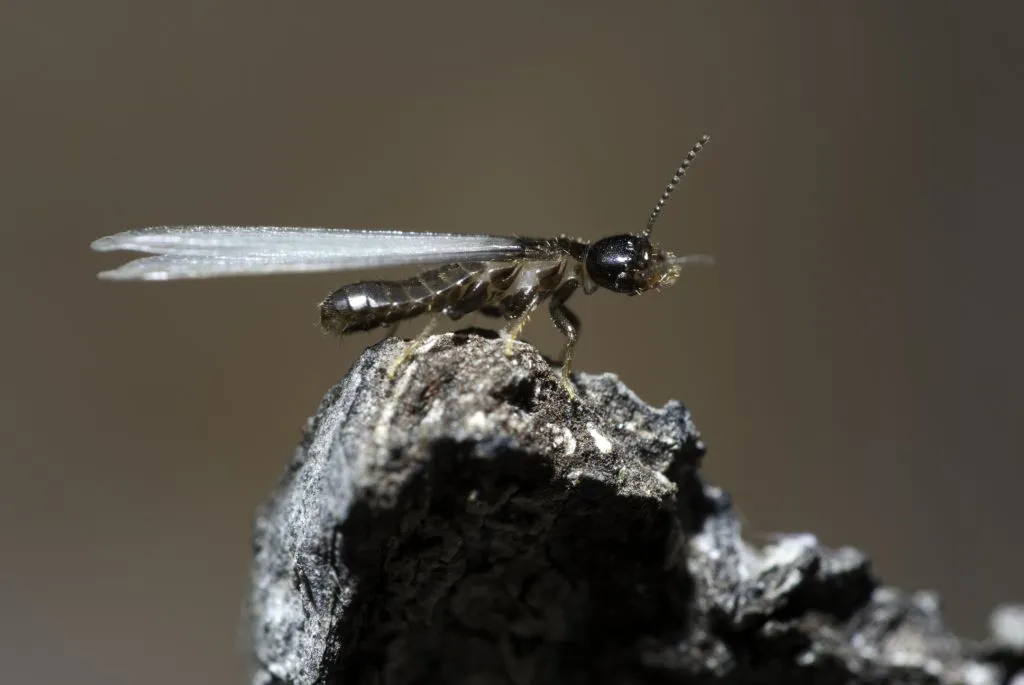
Termite season in the North Carolina Triad usually runs from March through May. Activity can begin as early as late February and sometimes continues into early summer. Swarms often happen on warm, sunny days after rainfall when temperatures reach about 70°F. In the Triad, swarms inside a home signal an infestation that requires professional control.
Each spring, many homeowners ask the same question: when is termite season, and what does it mean if you see termites flying? During swarm season, winged males and females leave established colonies to reproduce and start new ones. This event – called a swarm – is often one of the first visible signs of termite activity.
Termites cause more than $5 billion in property damage each year in the United States. Because of this, early detection is important. Knowing what termites look like and understanding swarming can help you spot problems early. If you see signs of termite activity, it may be time to schedule an inspection.
When is termite season in the NC Triad?
In the Triad, termite season typically runs from late February through early June, with most swarms happening in spring. The warmer temperatures, humidity, and rainfall are all triggers for a swarming event.
The most common species in the NC Triad is the Eastern subterranean termite. Subterranean colonies live underground and travel through the soil to find wood. February swarms usually appear inside a warm home, whereas swarms later in the season occur as spring temperatures rise.
Seeing swarmers outdoors means there is termite activity nearby. Seeing swarms or discarded termite wings inside near windows or doors likely means a termite problem indoors.
Why are termite swarms common in North Carolina?
North Carolina provides ideal conditions for termites. Mild winters, warm spring temperatures, and high humidity allow colonies to survive and grow year after year.
Many homes in the Triad also have features these insects prefer. Crawlspaces, wooded lots, and moisture around foundations create conditions that support termite activity. These environments allow them to travel through soil and reach wood structures more easily.
These conditions are common across Greensboro, Winston-Salem, High Point, and surrounding Triad communities. Because of this, swarms are a regular part of spring in the region. Regular inspections and preventive termite control can help identify activity early and reduce the risk of termite damage.
What do termite swarmers look like?
Swarmers are often mistaken for flying ants. Both appear during spring and may gather near windows or lights, but they have clear differences.
Termite swarmers have four wings that are equal in length, a thick waist, and straight antennae. Flying ants have elbowed antennae, a narrow waist, and back wings shorter than their front wings.
After swarming, they shed their wings as they search for a place to start a new colony. This often leaves discarded wings on windowsills or near doors as they try to get outside.
Does a swarm mean you have an infestation?
Seeing a swarm can be alarming, but the location of the swarm matters. Indoor swarms indicate an active infestation, while outdoor swarms often mean a colony is nearby.
The swarmers themselves do not cause structural damage. However, they signal that a mature colony already exists. If you see them indoors, the colony is often in the soil beneath the structure already.
DIY treatments rarely solve the problem because they only address the visible insects, not the colony. Effective control requires locating the entry points and treating the source. If you see swarmers indoors or notice other signs of termite infestation, schedule a professional inspection.
How to help prevent an infestation.
Prevention starts with reducing moisture and limiting wood-to-soil contact around your home. Small changes around the property can make the structure less attractive to colonies.
Key prevention steps include:
- Fix moisture issues. Repair leaking pipes, improve drainage around the foundation, and keep crawlspaces dry.
- Reduce wood-to-soil contact. Avoid allowing siding or other structural wood to touch soil.
- Store firewood away from the house. Keep firewood, lumber, and other wood materials out from the foundation and up off the ground.
- Schedule regular inspections. Preventive pest control and routine inspections help detect activity early before damage becomes visible.
How termite treatment works.
Inspection
If you see swarmers or other warning signs, the first step is a professional inspection. A technician will check the crawlspace, foundation, and other areas where activity commonly appears. They look for signs such as mud tubes, damaged wood, and other evidence that a colony may be present.
Treatment
If activity is confirmed, the technician will recommend a treatment plan designed to protect the home long term. Our approach focuses on preventive termite protection using bait systems that monitor for activity and eliminate colonies over time. You can learn more about our termite control services and how they protect homes across the Triad.
Treatment plans may include:
- Termite bait systems installed around the structure to monitor for activity and eliminate colonies
- Targeted liquid treatments in specific areas when an active infestation is found
- Ongoing monitoring to check bait stations and detect new activity
Frequently asked questions.
How long does a termite swarm last?
A swarm usually lasts a few hours. Most swarms happen during warm spring days after rainfall. All the winged termites in the colony must ultimately fly out, so the swarms may continue for several days.
Are swarming termites dangerous?
Swarmers are not dangerous to people or pets. They do not bite or sting or cause any wood damage. However, their presence means there is a nearby colony that may cause structural damage if left untreated.
Do swarming termites mean you have an infestation?
Not always. Swarms outdoors often mean a colony is nearby. However, swarms inside a home usually indicate an infestation in the soil beneath the structure.
How far do termite swarmers travel?
Most swarmers travel only a short distance from their original colony, often less than a hundred feet. Many simply land nearby and look for soil where they can start a new colony.
Call now
(877) 372-9696
(877) 372-9696
or request your free quote
"*" indicates required fields
*Email/SMS opt-in details listed below In need of customer support? Contact us here. View Terms & Conditions.