-
Residential services
Residential services
Most popular package$102/moPest + termite planOur specialized termite treatments help minimize their presence, while our core management services keeps up to 20 other pests in check.Find your plan - Service areas
- About
- Special offers
- Contact





Call now for a free quote
(877) 372-9696
(877) 372-9696
Call now
(877) 372-9696
(877) 372-9696
or request your free quote
"*" indicates required fields
*SMS opt-in details listed below
**Initial fees apply
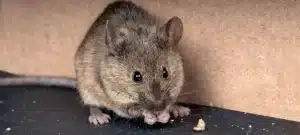
Rodent control & hantavirus awareness
Quick summary
- Hantavirus cases are rare in North Carolina. Recent headlines have increased awareness around rodent activity and safe cleanup.
- Hantavirus exposure is mainly linked to infected mouse droppings, urine, saliva, or nesting materials. Exposure can happen when contaminated dust becomes airborne.
- Professional rodent control can help identify signs of mice or rats. It can also help locate entry points, reduce infestations, and support long-term rodent prevention.
Overview
Because of recent news coverage around hantavirus, many homeowners are paying closer attention to rodent activity around the home. While hantavirus cases remain rare in North Carolina, the conversation is a good reminder that rodent activity should be taken seriously.
Rodents can damage insulation, chew wires, and contaminate stored items, and create unsanitary conditions in hidden areas of the home. They can also be difficult to control without finding how they are getting inside.
Professional rodent control is not about panic. It is about identifying rodent activity early, finding entry points, and helping prevent future rodent infestations.
For homeowners in Greensboro and across the North Carolina Triad, a rodent inspection can help identify mice in attics, crawlspaces, garages, and other areas where rodents often hide.
What hantavirus headlines mean for homeowners
Hantaviruses are viruses that can cause serious illness. In the United States, hantavirus is most often linked to certain infected mice. Exposure can happen through contact with dust contaminated with mouse droppings, urine, saliva, or nesting materials.
Care must be taken when mouse droppings or nesting materials are disturbed, and particles become airborne. Sweeping, vacuuming, or cleaning up rodent-contaminated areas without proper precautions can increase the chance of dust becoming airborne.
Most hantaviruses are not known to spread person-to-person. However, the Andes virus, a specific strain of hantavirus linked to the recent MV Hondius cruise ship, has spread through close human contact in some cases. According to the CDC, the outbreak has been confined to the ship and it’s close contacts, and no confirmed Andes virus cases have been reported in the United States.
For homeowners, the bigger takeaway is that rodent activity should be handled carefully and addressed properly. If you find rodent droppings, nesting materials, or signs of mice or rats, avoid disturbing the area. A professional rodent control company can inspect the home and recommend the safest next steps.
Why rodent activity should not be ignored
Mice and rats are more than nuisance pests. A small rodent problem can become a larger infestation if rodents continue finding food, water, and shelter.
Rodents often stay hidden in attics, crawlspaces, garages, wall voids, basements, storage rooms, and utility areas. In many cases, homeowners notice signs of a rodent problem before they ever see a mouse or rat.
Common signs of rodents include:
- Scratching noises in walls or ceilings
- Rodent droppings in cabinets, drawers, garages, or storage areas
- Chewed food packaging
- Gnaw marks on wires, wood, or plastic
- Nesting materials in attics or crawlspaces
- Musty odors in enclosed areas
- Pets reacting to walls, appliances, or cabinets
You may also notice signs around the exterior of your home. Gaps near doors, vents, pipes, utility lines, crawlspace openings, and foundation areas can give rodents a way inside.
Once inside, rodents can chew through insulation, wires, cardboard, plastic, and food packaging. They may also leave droppings and urine in areas that are difficult to see or reach.
Why DIY rodent control often falls short
Many homeowners start with store-bought traps or bait. Many homeowners also search for how to get rid of rodents after noticing scratching noises, rodent droppings, or signs of nesting indoors. These products may catch some mice or rats, but they do not always solve the full rodent problem.
DIY mouse control and rat control often overlook the infestation source. Rodents may continue entering through small gaps around the house. They may also be nesting in hidden areas, such as insulation, wall voids, attics, or crawlspaces.
This is one reason professional rodent control can be helpful. A trained technician can identify signs of rodent activity homeowners may miss and recommend the right next steps based on the level of infestation.
What professional rodent control services include
Professional rodent control services are designed to help eliminate rodents, reduce current activity, and prevent future rat infestations or mice infestations.
Rodent control service may include:
- A detailed rodent inspection, including attics, crawlspaces and garages
- Identification of rodent droppings, nesting areas, and entry points
- Rodent trapping and monitoring, and additional follow-up service when necessary
- Rodent exclusion recommendations
- Sanitation and cleanup guidance
Long-term rodent prevention is one of the most important parts of the process. If entry points remain open, new rodents can continue getting inside.
Homeowners can also help by:
- Storing food in sealed containers
- Cleaning up pet food and bird seed
- Reducing moisture
- Trimming plants away from the home
Schedule your rodent inspection
If you are seeing signs of mice or rats, a professional rodent inspection can help you understand the extent of the problem. It can also help identify how rodents are getting inside.
Terminix Triad provides rodent control services in Greensboro and throughout the North Carolina Triad. Our team can inspect your home, identify signs of rodent activity, and recommend the next steps for treatment and prevention. Schedule your rodent inspection and service today!
Call now
(877) 372-9696
(877) 372-9696
or request your free quote.
"*" indicates required fields
*Email/SMS opt-in details listed below In need of customer support? Contact us here. View Terms & Conditions.